Tricky Relax Challenge Games
- 4.1
- Rating
- 10.00M
- Installs
- Free
- Price

 Analysis by App-foxy
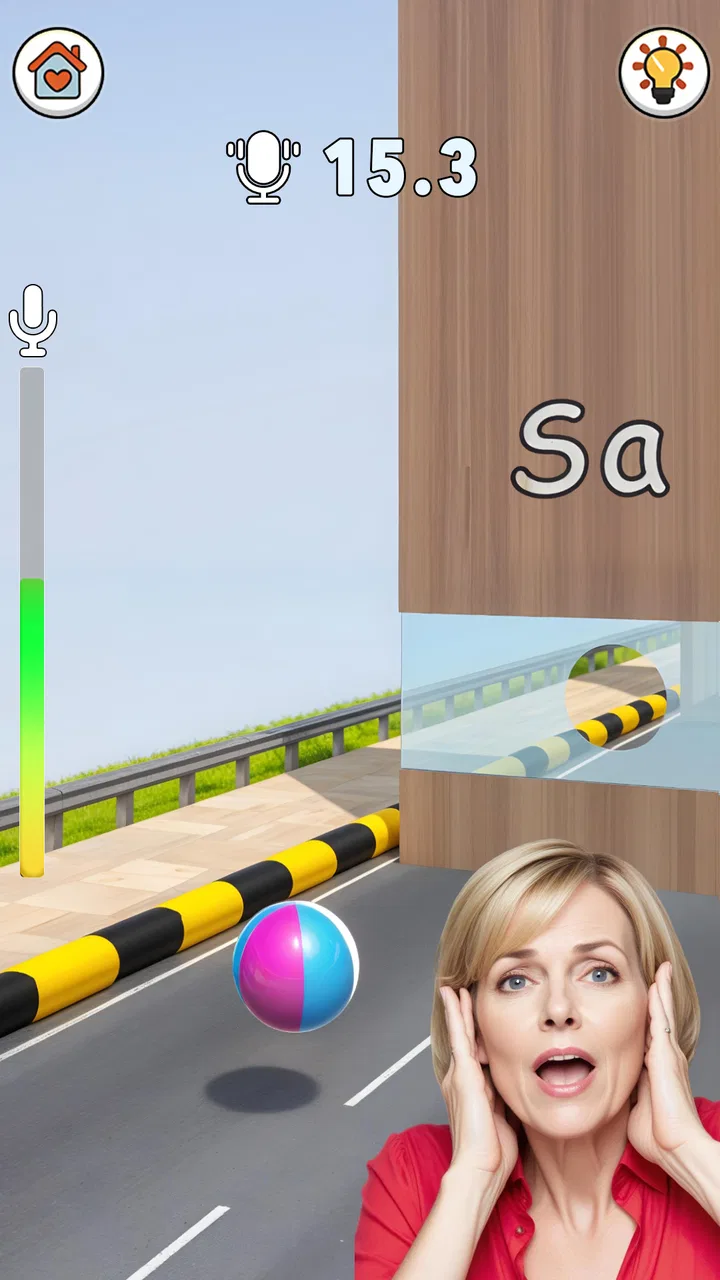
I spent time with Tricky Relax Challenge Games as the kind of casual title you open when you want a quick distraction rather than a long campaign. Its appeal is easy to understand: it gathers a changing-feeling collection of tricky challenges and small games into one lightweight-looking package, so I can move from one short test to another without committing to a large story, complicated controls, or a serious competitive routine.
The game comes from stick hunter and is free to start, with optional purchases priced at $2.99 per item. It is aimed at Everyone, which makes it a reasonable choice for shared family devices, younger players, and adults who simply want something uncomplicated. The current version is 5.3, and the app has built a broad audience with over 10 million installs. Its average rating sits at 4.2 from around 96 thousand ratings, so there is clearly sustained interest, although that popularity should not be mistaken for a guarantee that every challenge will suit every player.
How the challenge mix feels in everyday use
I find the mix works best when I treat each challenge as a small experiment rather than a test I need to pass. A useful next step is to notice which surprises feel clever and which feel arbitrary; that distinction helps me decide whether to keep exploring the collection or switch to a more focused puzzle game.
You May Also Like

 Google Keep - Notes and lists
Google Keep’s Quiet Growth Shows the Appeal of Simpler Notes
As mobile work gets busier, Google Keep keeps winning a simple contest: capture a thought quickly, find it later, and get on with the day.

 Blood Strike: 2.5 Anniversary
Blood Strike’s Loadouts Turn Every Drop Into a Tactical Gamble
A close look at Blood Strike’s custom loadouts: how fast access to signature weapons reshapes its battle royale rhythm, rewards preparation, and narrows the gap between fights.

 Pandora - Music & Podcasts
Pandora’s Music Is Easy to Start, but Harder to Recover
Pandora’s strength is its low-effort path from a seed to a station. Its weak spot is how much confidence it asks you to place in connection, setup, and quiet recovery.

 8 Ball Pool
 Is Built on Rivalries, Rematches, and Routine
A close look at the rivalries, rematches, shared routines, and unanswered safety questions that turn a quick pool match into a persistent mobile community.

 Samsung Music
’s Quiet Strength Is Playing What You Already Own
Its reach comes less from spectacle than from dependable access to a personal library. That simplicity is both the app’s strongest retention engine and its ceiling.

 AccuWeather: Weather Radar
AccuWeather Review: A Quick, Clear Forecast for Everyday Decisions
For everyday plans, the best forecast is the one you can understand quickly. AccuWeather makes rain timing, radar, and local conditions easy to act on, with a few trade-offs.
More From Our News Desk



Quick access matters more than long-term progression
My first impression is that this is best understood as a grab-and-play collection, not a deep puzzle game with one carefully developed system. That distinction is important. If I have a few minutes while waiting for an appointment, taking a break from work, or winding down before bed, the format makes sense because I can try a challenge and stop without feeling that I have abandoned a larger objective.
The “tricky” angle also changes the mood. These are not necessarily relaxing in the same way as a quiet coloring app or a slow word puzzle. The title suggests calm, but the challenge design can still make me pause, rethink an obvious action, or laugh at a mistake. I found that contrast useful in short sessions: it gives my attention something small to solve without demanding the concentration of a full strategy game.
That makes the app particularly suitable for people who enjoy novelty. Players who like switching between viral-style mini games may appreciate not having to install several separate titles. On the other hand, anyone looking for one polished mechanic, a strong narrative, or a clear skill ladder may find the collection less satisfying than a dedicated puzzle game.
What I would expect from the opening moments
The practical advantage of this format is perceived speed. A collection of short challenges should get me to an interaction quickly, and that is the standard I would use when judging it. I do not want to spend a short break navigating layers of menus before reaching something playable. When an app is built around brief distractions, every extra pause feels more noticeable than it would in a large adventure game.
There is also a trade-off. Rapid variety can make the experience feel immediate, but it can reduce the sense that I am learning one meaningful system. A dedicated brain-training title may give clearer feedback about improvement, while a single endless runner may make its controls feel more consistent. Here, the reward is the surprise of the next small challenge rather than a single mechanic becoming second nature.
For a better first session, I would avoid judging the entire game after one attempt. A tricky mini game can feel awkward simply because its solution is not obvious at first. I would try several challenges, notice which kinds of interaction feel natural to me, and then decide whether the variety is enjoyable or merely distracting. That is a more useful test than asking whether one puzzle immediately feels perfect.
Using it during a normal day
A realistic scenario would be a ten-minute pause between errands. I might open the game expecting to play briefly, attempt a few challenges, and close it before continuing my day. This is where the casual category works in its favor: there is no need to prepare a controller, remember a complicated plot, or reserve a long uninterrupted block of time.
It can also work as a shared conversation starter. Because the challenges are short and easy to explain, one person can hand the phone to another and ask them to try. That is different from passing around a game that requires a tutorial or a long setup. The Everyone age rating supports this kind of broad use, though adults should still decide whether the style of challenge and any purchase prompts are appropriate for a particular child.
I would be more cautious about using it as a guaranteed relaxation tool. A player who becomes irritated by trick questions may find the opposite of calm. The store’s short description is “Tricky Relax,” but my own interpretation is that the relaxing part comes from the low commitment, not necessarily from every moment being peaceful. The app offers a break from routine; it does not remove the possibility of frustration.
Three ways to get more from the collection
My first practical tip is to treat the game as a mood-based menu rather than a challenge you must finish in order. If one task feels annoying, moving on is more sensible than forcing it during a short break. The value of a multi-game package is flexibility, and that flexibility disappears if I turn every screen into a test of patience.
Second, I would use it in short, deliberate sessions instead of leaving it open indefinitely. That approach helps preserve the novelty of the mini games and makes it easier to notice whether the app remains enjoyable after the initial curiosity fades. It also suits phones with limited spare battery or storage headroom better than treating the title as an all-day pastime.
Third, I would test a challenge twice before deciding that it is unfair, but not repeat it endlessly. The first attempt can reveal the trick, while the second shows whether the solution is actually satisfying. If the same kind of surprise repeatedly feels arbitrary, that is a sign that a more structured puzzle alternative may suit me better.
What happens during heavier use
Heavy use here does not mean a long multiplayer match or a large open world running for hours. It means moving through many short challenges in one sitting, restarting after mistakes, and keeping the game open while repeatedly switching attention. That pattern is useful for judging whether the collection remains comfortable beyond a quick test.
From a user’s point of view, the main pressure is likely to come from repetition and attention rather than from the depth of the individual games. A title can feel fast during the first few challenges and less fresh after a longer session. I would therefore separate two questions: does it respond promptly enough for casual play, and does the variety remain interesting when I keep going? The first concerns usability; the second concerns staying power.
For short sessions, the format is convincing. For extended sessions, my expectations are lower. A dedicated puzzle game may provide more satisfying escalation, while a conventional casual arcade title may offer a clearer score chase. This collection is strongest when I want several small mental resets, not when I want a single activity to occupy an entire evening.
Resource demands are also worth considering without overpromising. The game is available for devices running Android 7.0 or later, which gives it a broad compatibility range. That does not automatically tell me how every phone will behave under prolonged use, but it does make the app relevant to people who are not using recent hardware. On an older device, I would keep expectations sensible, close other demanding apps if the phone feels strained, and judge the experience by actual responsiveness rather than by the install alone.
Stability and recovery after interruptions
Reliability matters more in a quick-play title than many people expect. If I open a game for a brief pause and it loses my place whenever a notification arrives, the interruption becomes the whole experience. I would pay attention to how naturally the app returns after switching away, rotating the phone, or putting the device to sleep. Those are ordinary behaviors, especially when the game is used in public or during a busy day.
The sensible recovery habit is to assume that an unfinished mini game may need to be resumed rather than treating every short session as a formal saved run. I would avoid beginning a challenge immediately before putting the phone away, and I would finish a small task before switching to another app when possible. That is not a criticism of a particular technical behavior; it is simply the safest workflow for a collection built around brief activities.
Another useful reliability check is to notice whether the game still feels coherent after several transitions between challenges. A stable casual app should not make me think about its structure every time I return. If the experience becomes confusing after an interruption, that friction matters more than a minor delay because the entire appeal is convenience.
Older phones, storage, and practical limits
The Android 7.0 minimum makes this more accessible than games that require a recent operating system. I would consider it for an older family phone or a spare handset, provided the device has enough ordinary working room for any app and is not already struggling with general performance. Compatibility is a starting point, not a promise that every older model will feel equally smooth.
People with limited storage should still think about the broader cost of keeping a collection app installed. The title itself may be convenient because it replaces several separate mini-game downloads, but convenience does not mean storage is irrelevant. I would check the phone’s available space before installing and leave room for normal system activity rather than filling the device completely.
Battery expectations should be similarly practical. Short challenge sessions are a better match for a phone that needs to last through a day than continuous play. If I am traveling without easy access to a charger, I would use the app in small bursts and avoid treating it as my main entertainment for hours. That advice applies especially to older batteries, where any active game can have a more noticeable effect than reading or messaging.
The free entry point is helpful for trying the experience without an upfront payment. The optional $2.99-per-item purchases mean I would pay attention before confirming anything, particularly if a child is using the device. For me, the right approach is to enjoy the free portion first and only consider a purchase if it solves a specific annoyance or adds value I can clearly identify. I would not spend simply because a challenge became difficult.
Who should choose it, and who should pass
I would recommend it to casual players who like variety, short sessions, and the feeling of discovering a small trick. It is also a sensible option for someone who wants one install instead of collecting many tiny games, or for a family looking for an approachable title with an Everyone rating. The broad Android compatibility makes it worth considering on devices that cannot run newer games.
I would point a different player elsewhere if they want a serious long-term goal. Someone who enjoys carefully balanced levels, detailed statistics, a story, or a single mechanic refined over dozens of hours will probably get more from a dedicated puzzle or arcade game. Likewise, players who dislike surprise solutions and prefer transparent rules may find the “tricky” identity more irritating than entertaining.
I would also skip it as a primary relaxation app if frustration quickly outweighs curiosity. A calm puzzle, idle game, or non-interactive meditation tool may be a better fit for winding down. This title asks me to pay attention and react to its little traps, so its version of relaxation is active rather than passive.
My performance verdict after weighing the trade-offs
My overall view is positive but deliberately limited. The strongest reason to install it is the low-commitment variety: I can use it for a short interruption, share it casually, and move on without building my day around it. The free price and Everyone rating lower the barrier to trying it, while the large install base and 4.2 average suggest that the format has found an audience.
At the same time, I would not call it a replacement for a focused puzzle game. Its appeal depends on whether I enjoy switching mental gears and accepting that not every challenge will feel equally clever. Longer sessions may expose the limits of the collection, and optional purchases deserve attention rather than automatic approval. Those are manageable trade-offs, but they should shape expectations before downloading.
For someone asking whether it will run on an older Android phone, the Android 7.0 requirement is encouraging, though real-world comfort still depends on the handset. For someone wondering whether it is suitable for children, the Everyone rating makes it broadly approachable, but I would supervise purchases and decide whether the tricky style matches the child’s patience. For someone seeking a quick break, this is where the game makes its best case.
After using it, I would describe Tricky Relax Challenge Games as a convenient pocket of short challenges rather than a complete gaming destination. Stick hunter has chosen breadth over depth, and that is exactly why it can be useful in small doses. I would install it when I wanted accessible variety on an Android device, keep sessions brief, and judge each challenge on whether it makes the break more enjoyable—not on whether it can compete with a full-sized game.
FAQs for Tricky Relax Challenge Games
01What is Tricky Relax Challenge Games?
Tricky Relax Challenge Games is a mobile app designed to offer a series of engaging puzzles and challenges that test your problem-solving skills and creativity. It combines relaxing gameplay with tricky tasks, providing users with a unique blend of entertainment and mental exercise.
02Is Tricky Relax Challenge Games free to play?
Yes, Tricky Relax Challenge Games is free to download and play. However, it may offer in-app purchases, such as hints or additional levels, to enhance the gaming experience. These purchases are optional, and players can enjoy the core content without spending money.
03What are the system requirements for Tricky Relax Challenge Games?
The app requires Android version 5.0 or iOS version 10.0 and above. It is optimized for both smartphones and tablets, ensuring a smooth gameplay experience. Users should also ensure they have sufficient storage space, as the app can be updated regularly with new content.
04Does Tricky Relax Challenge Games require an internet connection?
While Tricky Relax Challenge Games can be played offline, certain features—such as updates, leaderboard rankings, and social sharing—require an internet connection. Playing offline allows you to enjoy the puzzles anywhere, but connecting online will enhance the overall experience.
05How can I contact customer support for Tricky Relax Challenge Games?
If you encounter any issues or have questions, you can contact customer support directly through the app by navigating to the ‘Help’ or ‘Support’ section. Alternatively, you can visit the developer's website for more detailed assistance and frequently updated FAQs.
Pros
- Engaging puzzles that challenge your logic.
- Visually appealing graphics enhance gameplay.
- Variety of levels keeps it interesting.
- No intrusive ads interrupting sessions.
- Offline mode available for uninterrupted play.
Cons
- Some levels can be frustratingly difficult.
- Occasional bugs cause minor interruptions.
- Limited hints can stall progress.
- In-app purchases may be necessary.
- Soundtrack can become repetitive.

Tricky Relax Challenge Games
Gallery